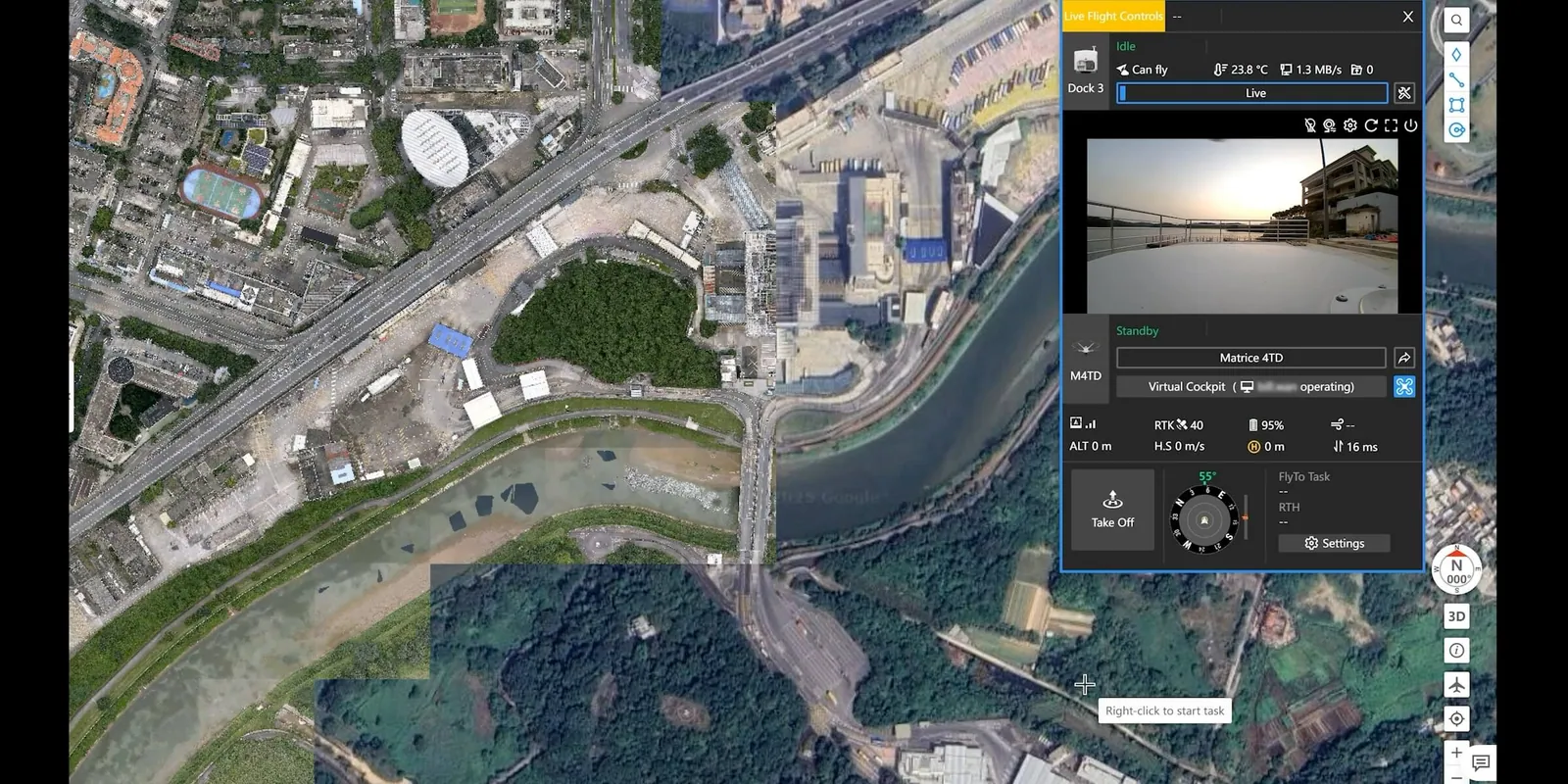
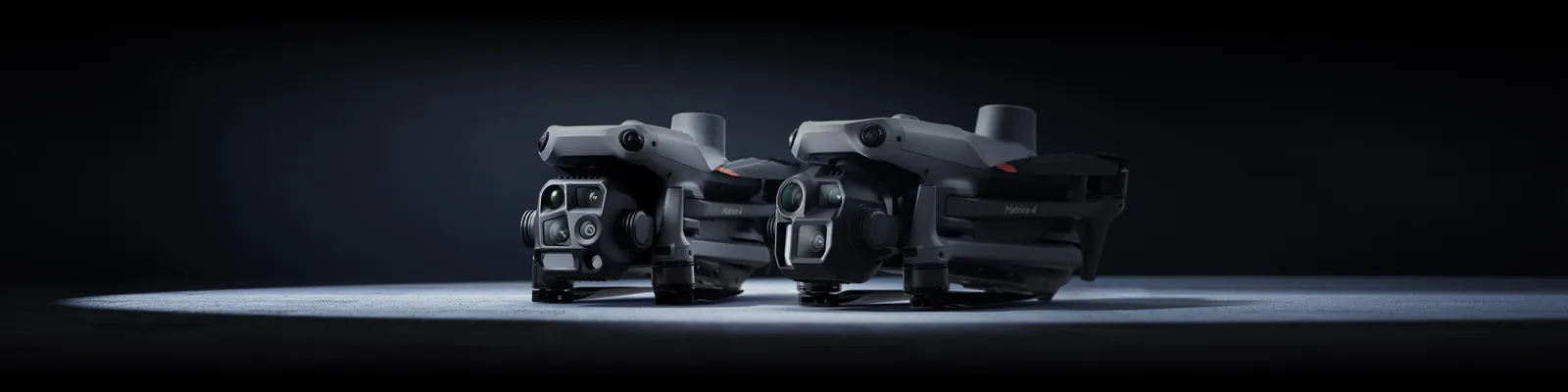
Back to site Solar power
01 / Cover

Intelligent solutions for solar power

  • O&M reinvented around autonomous drones and artificial intelligence.
  • One platform: data capture, AI analytics, repair planning and control.

AI detection accuracy
95%+
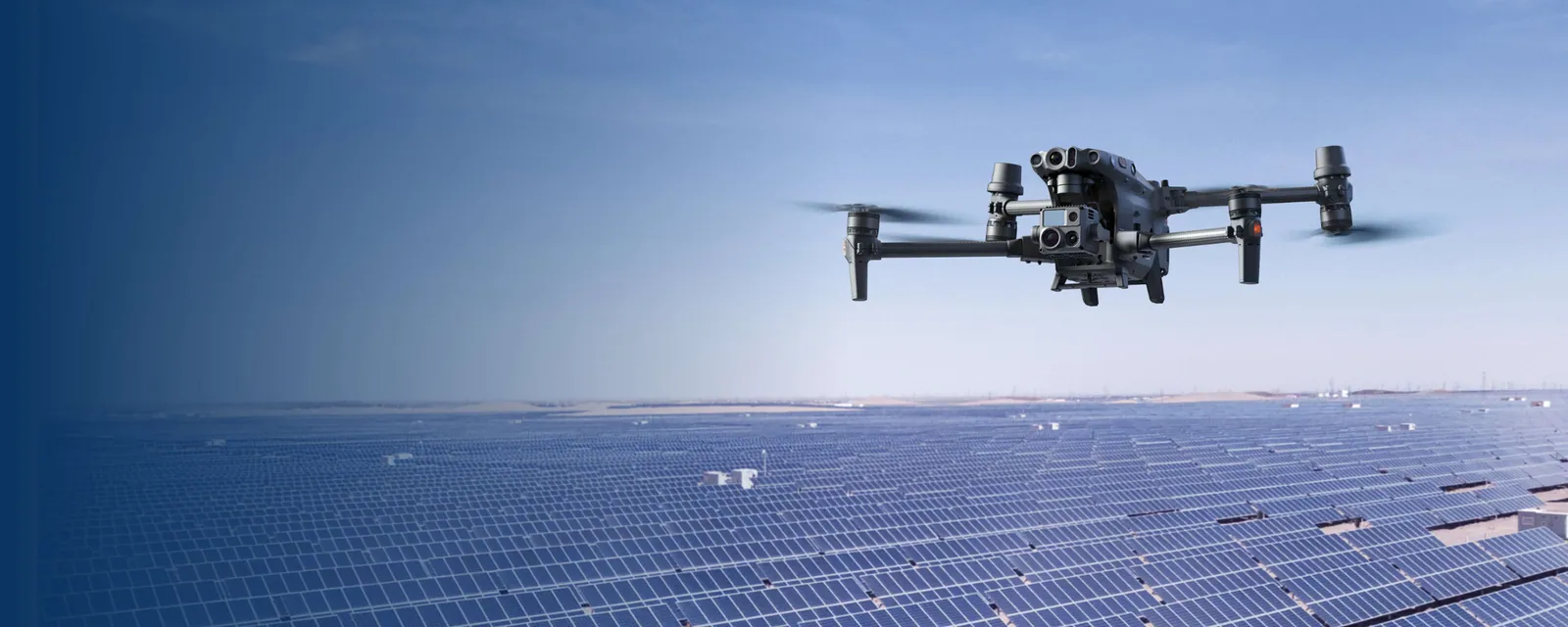
A drone surveying a large solar power plant
SCANNING…
COVERAGE: 100%
MODE: AUTO
01 / 13
02 / The problem

The scale of solar parks makes manual control ineffective

Panorama of a solar plant: rows of panels running to the horizon
Blind spots

Large areas and difficult site geography.
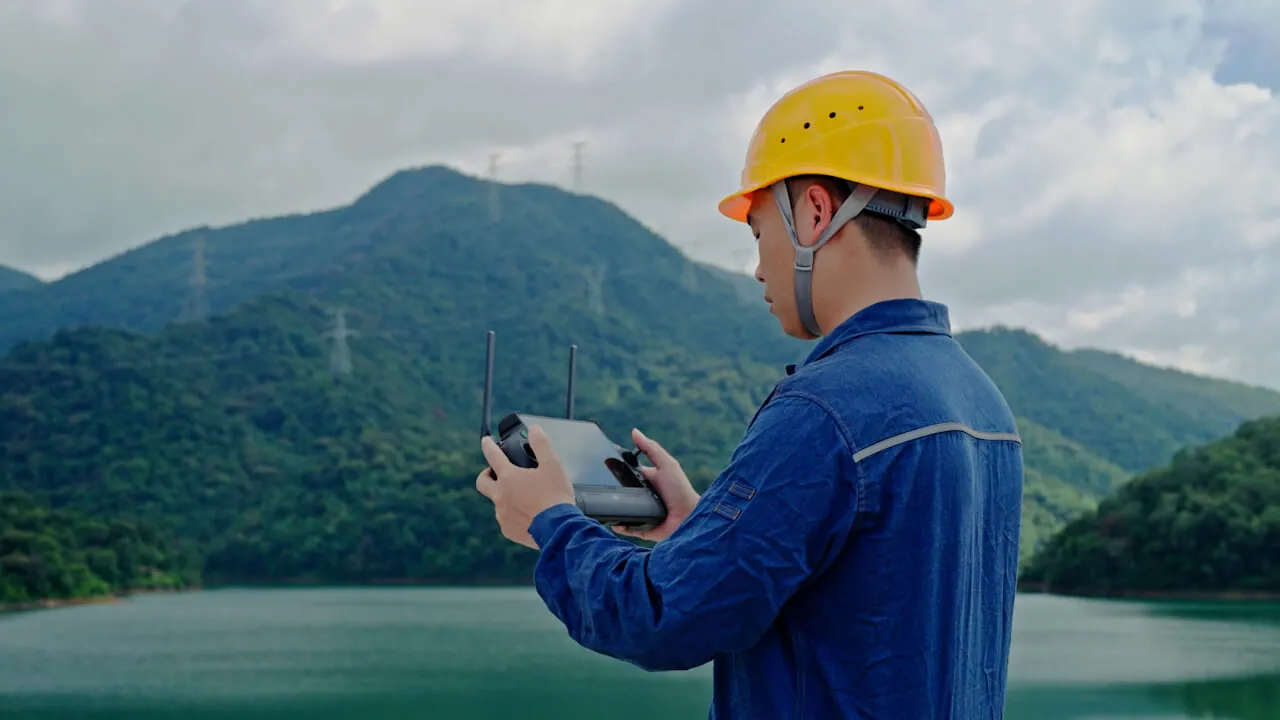
An operator flying the survey manually from a controller
Time lost

Manual inspection is slow and expensive.
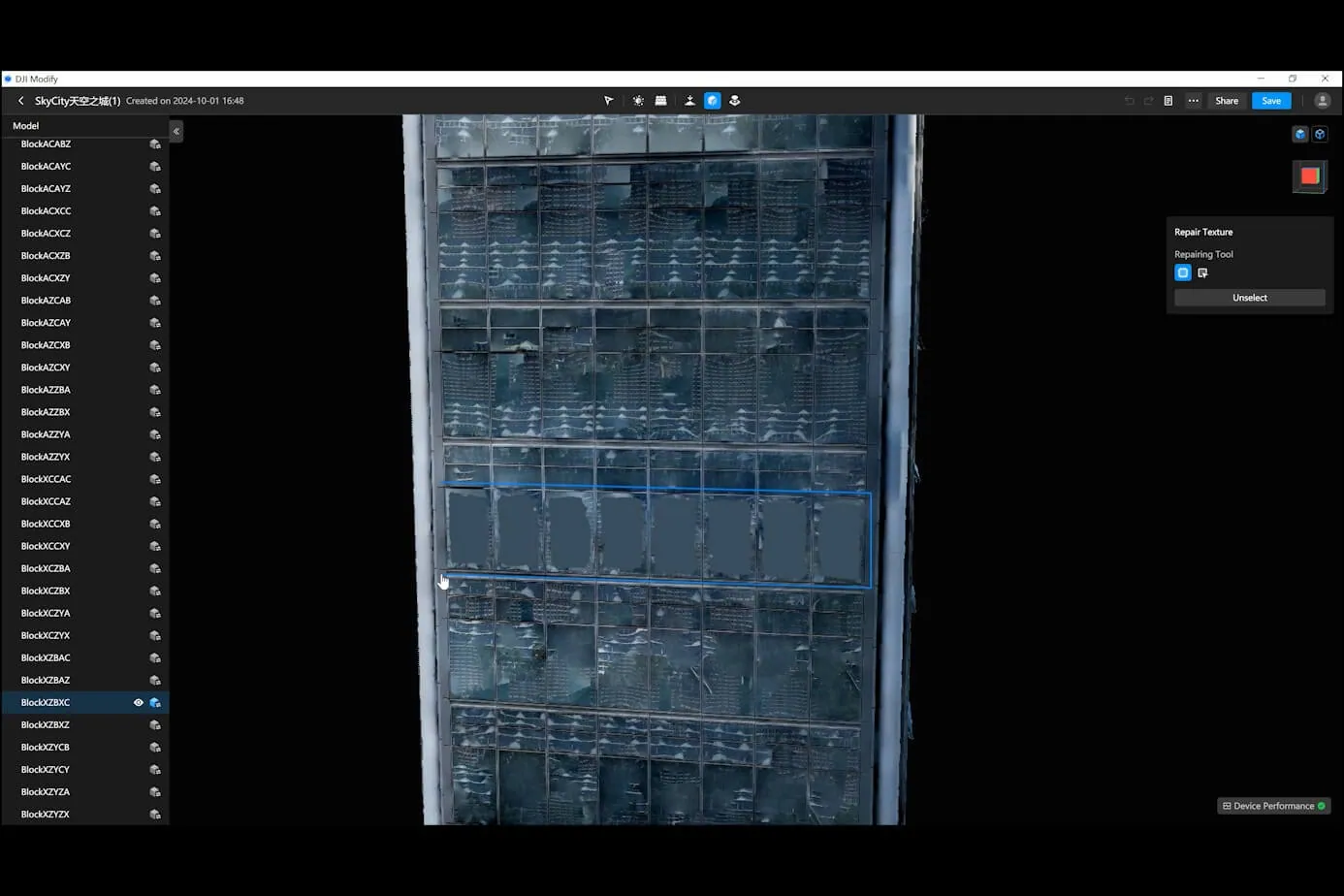
A panel string under review in the inspection interface
Lost generation

Hidden defects and anomalies are found too late.
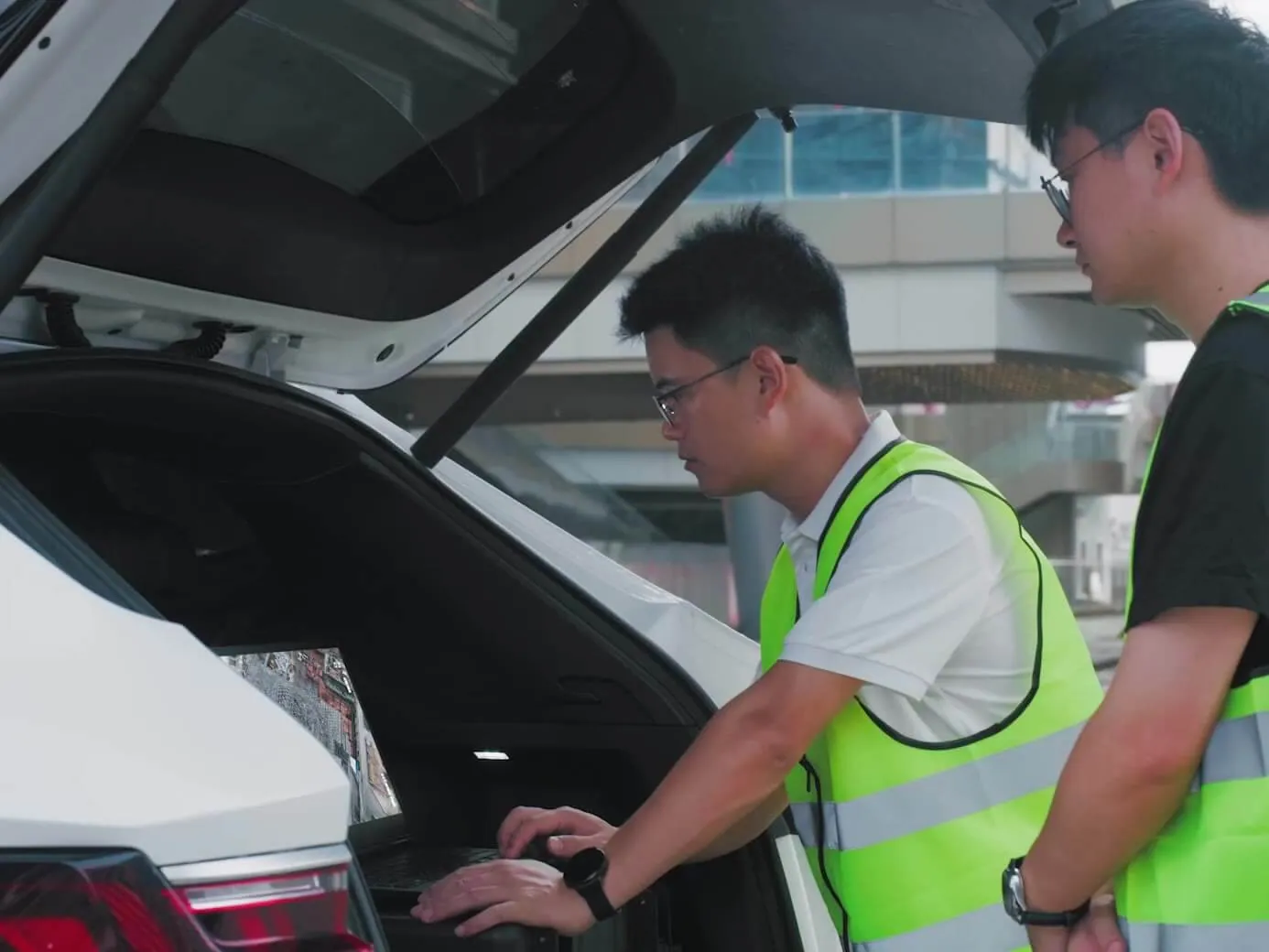
A field crew preparing equipment at their vehicle
Fragmentation

Central oversight is hard and O&M stays inefficient.

02 / 13
03 / The solution

One digital system for O&M

An end-to-end solution that covers the whole inspection cycle. This is not just a drone and not a standalone piece of software — it is a single operating system for running solar assets.
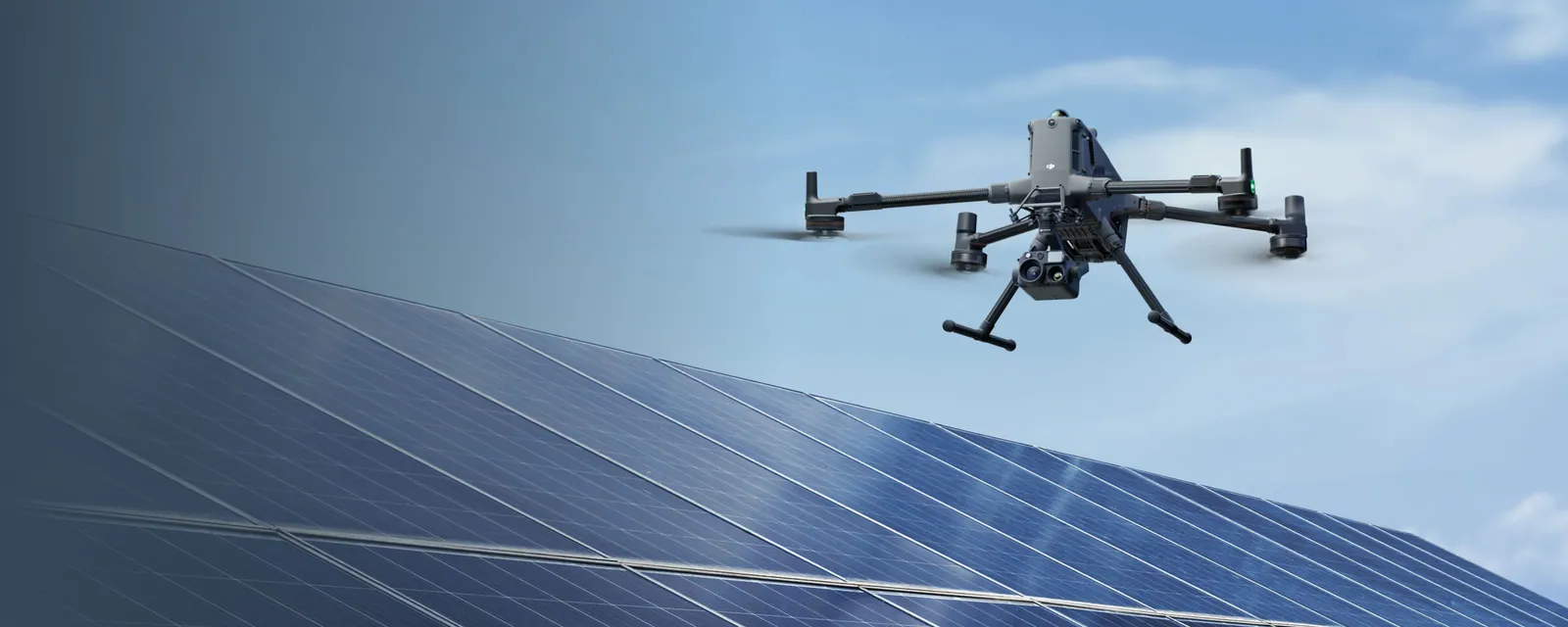
An industrial drone above rows of solar panels

Drone Data

Autonomous capture of multispectral data and telemetry.
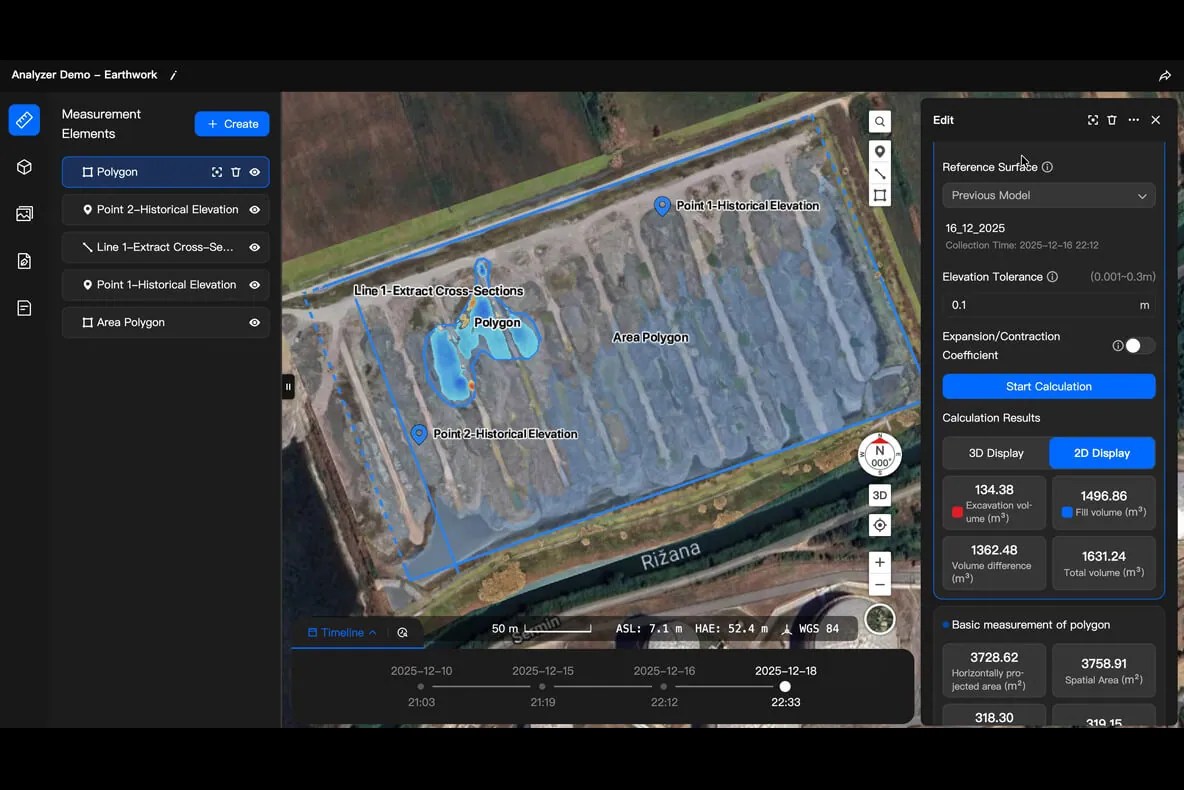
Site imagery being analysed in the platform interface

AI Platform

Automatic analytics and report generation.
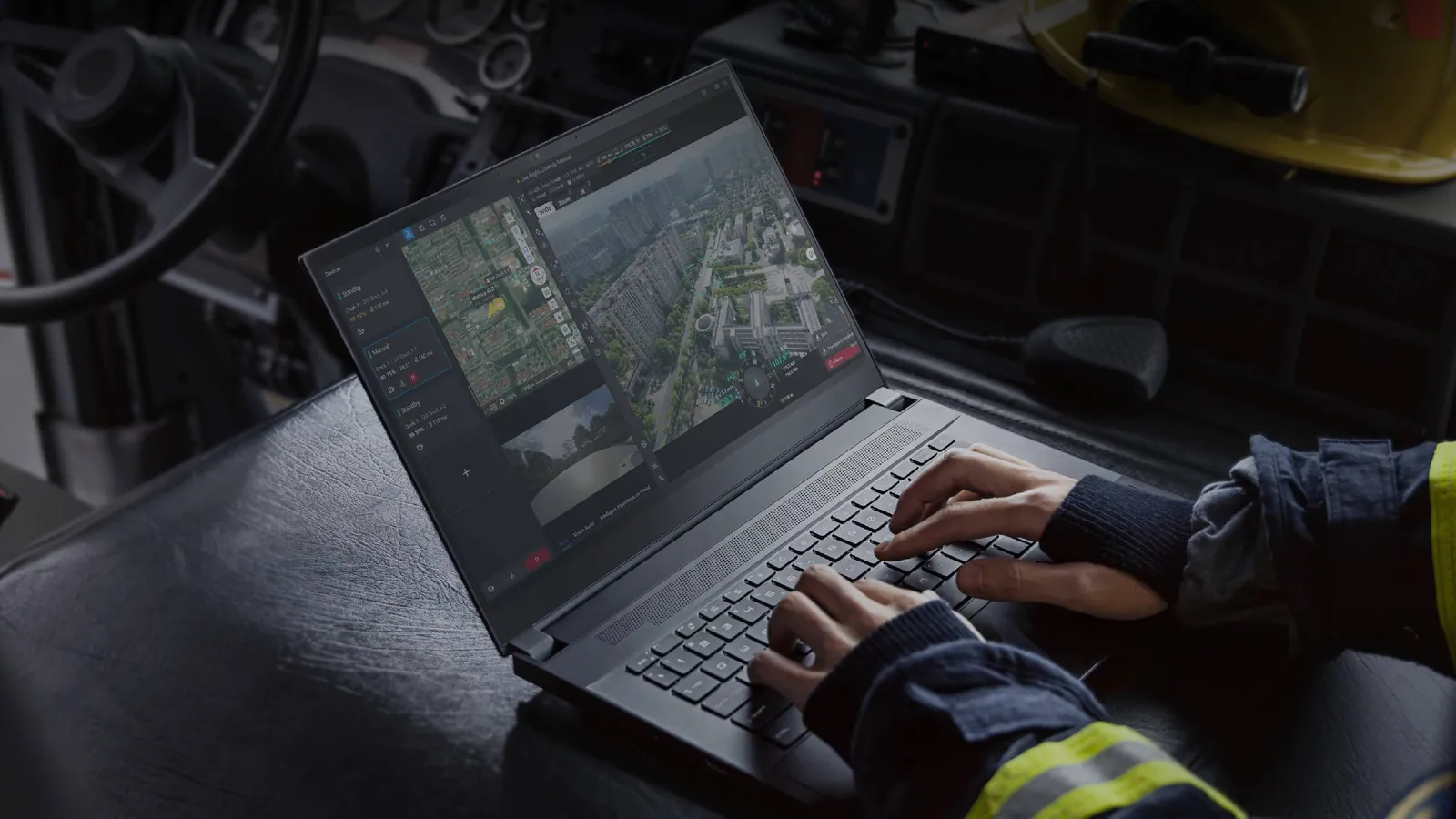
An engineer working with the platform on a laptop on site

Maintenance

Route planning and control over defect resolution.

03 / 13
04 / Digital twin

Digital groundwork: accuracy down to 5 centimetres
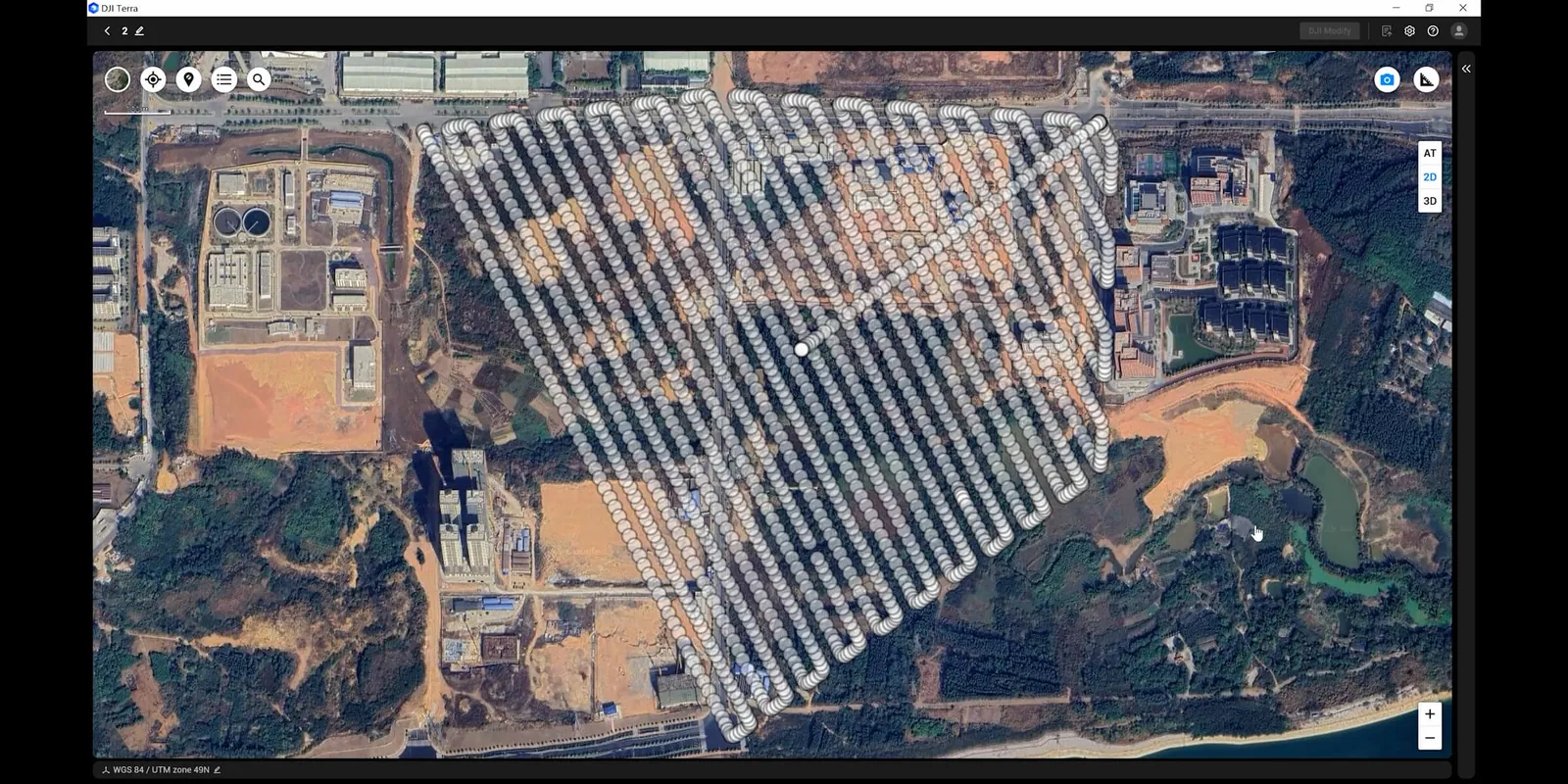
01LiDAR and photogrammetry: a digital twin built to ±5 cm.
023D modelling: an exact copy of the terrain and the plant's structures.
03Insolation analysis: irradiance and shading zones calculated.
04Layout modelling: panel placement optimised for maximum output.
Orthomosaic of a solar plant with the arrays outlined
Three-dimensional model of the site on a workstation screen
04 / 13
05 / Hardware layer

Hardware layer:
100% autonomy

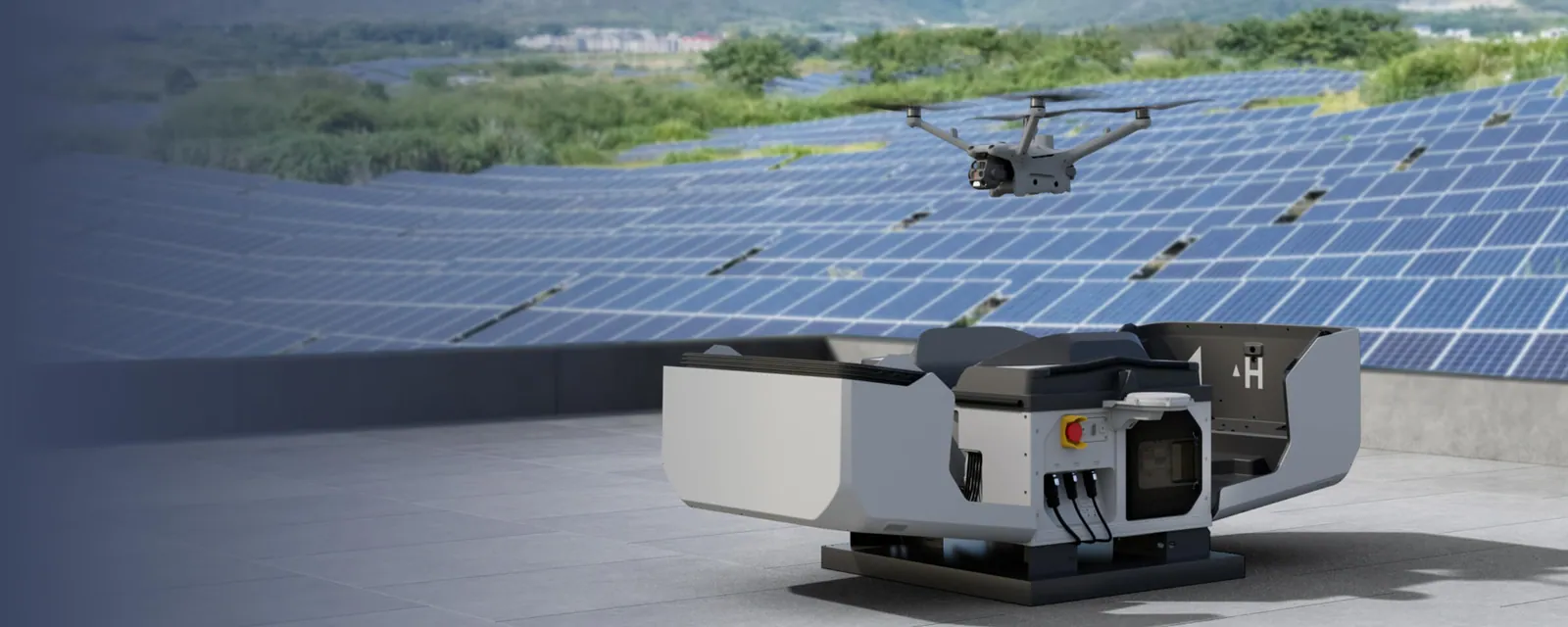
01Zero operators: take-off and landing without a person on site.
02Smart Hangar: automatic charging and battery swaps.
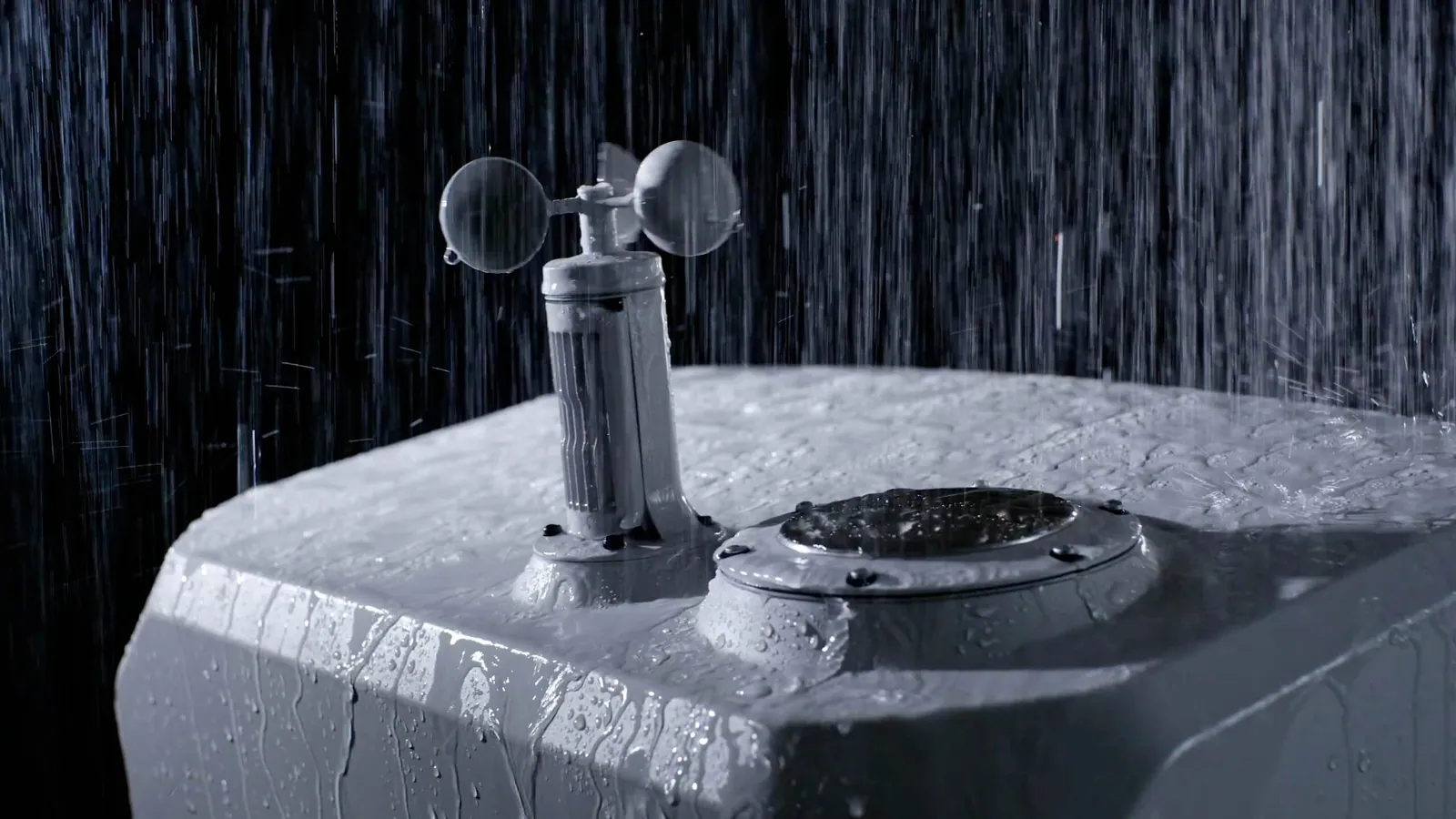
0324/7 operation: weather protection and readiness for scheduled inspections.
04Safety first: automatic return to base on low battery.
An automated docking station with a drone at a solar plant
The dock's weather sensor in the rain
Scheduled take-off with no crew callout
Ready to fly 24 hours a day
05 / 13
06 / Flights

Multi-level navigation
and flight safety
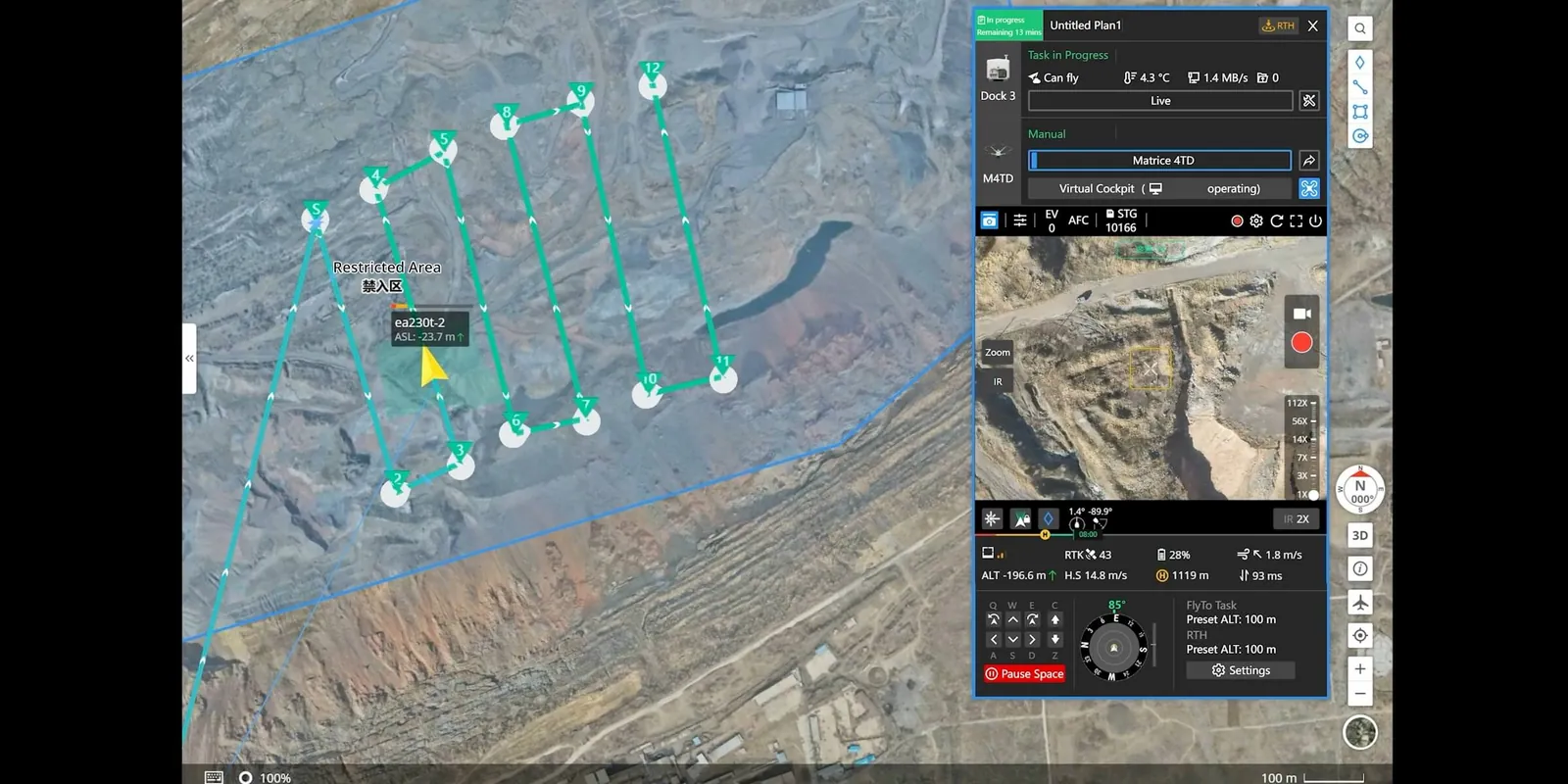
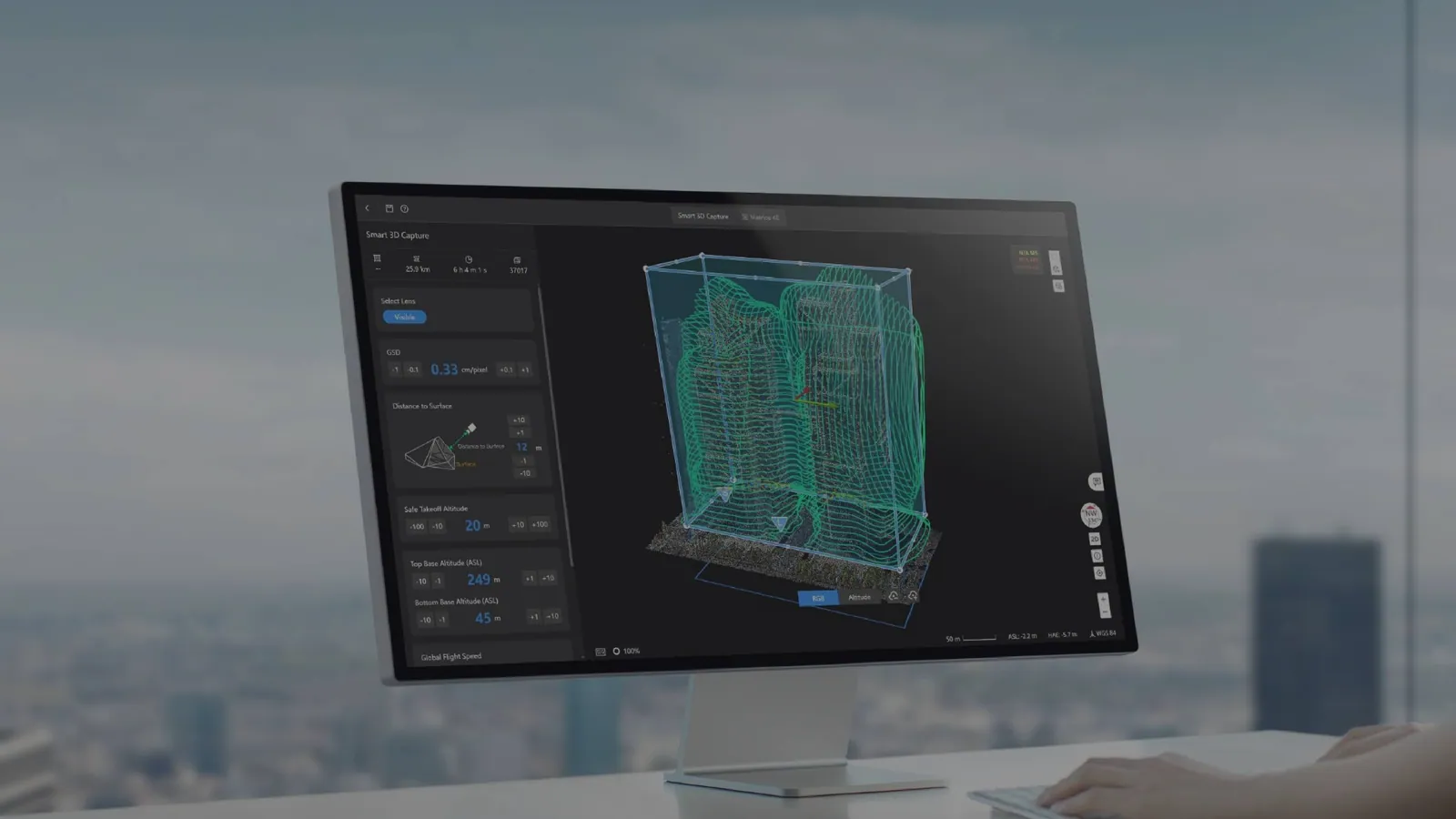
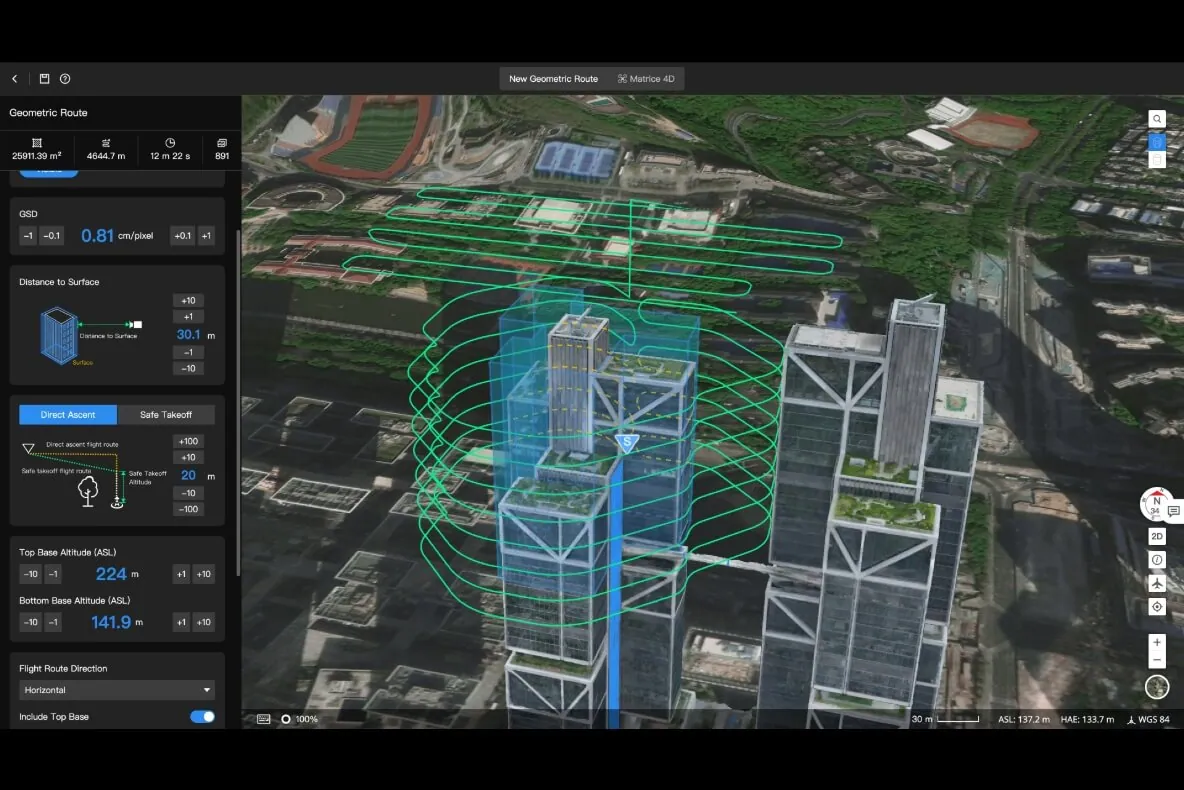
01Automatic planning: routes built from the 3D model (point cloud) and camera parameters.
02Safety verification: the route is checked against obstacles and no-fly zones before launch.
03Preview / simulation: the mission is simulated virtually before the real flight.
04Total coverage: capture settings (GSD, overlap, altitude) tuned for 100% area coverage.
Survey route being planned in the platform interface
Mission simulation over a three-dimensional site model
06 / 13
07 / AI analysis

The brain of the system: multispectral AI analysis

Deep analysis in visible light and in thermal image fusion.
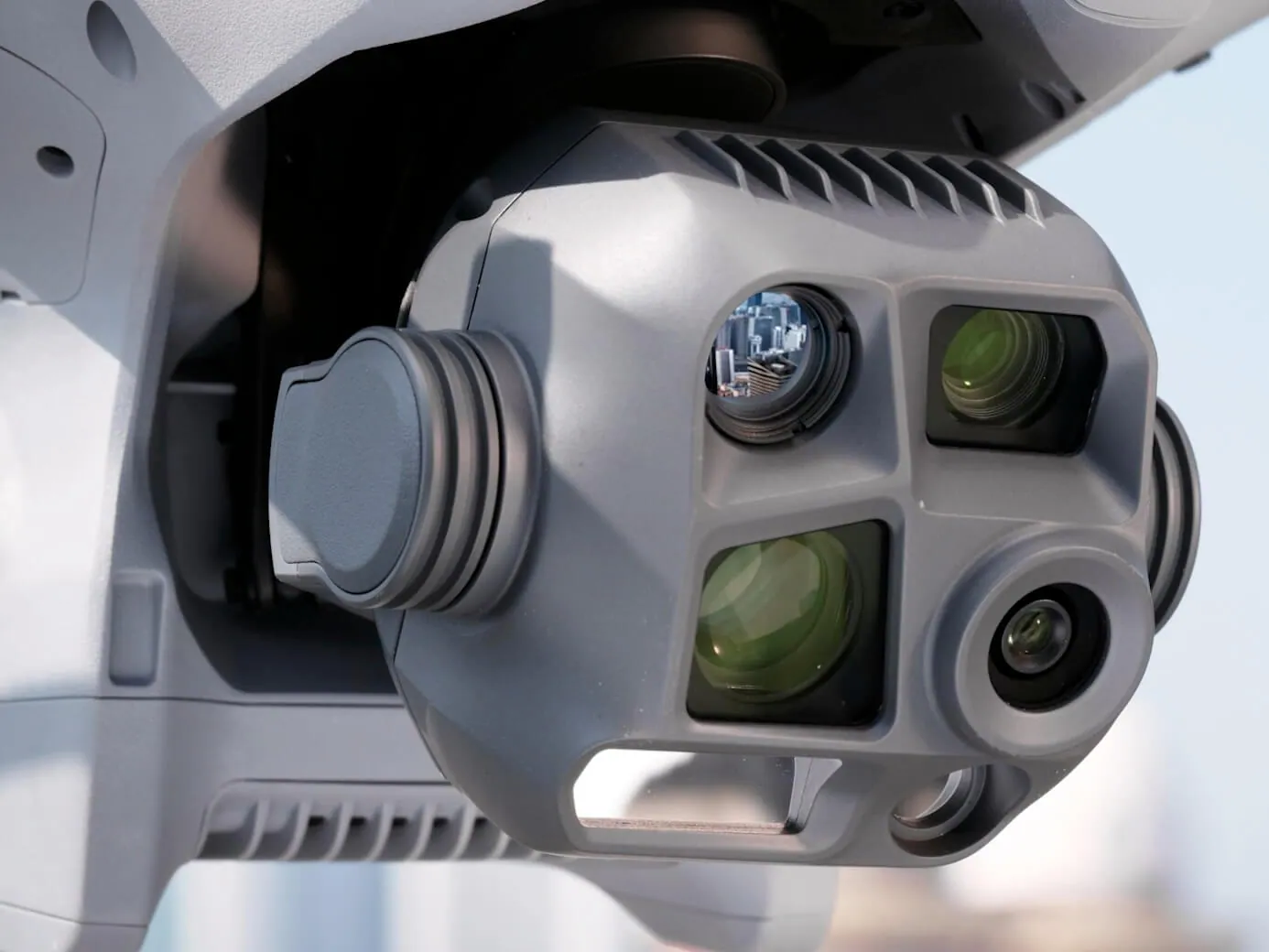
Close-up of a multi-sensor drone camera

Feature extraction

Neural-network detection of the key problems: hotspots, microcracks, dust.
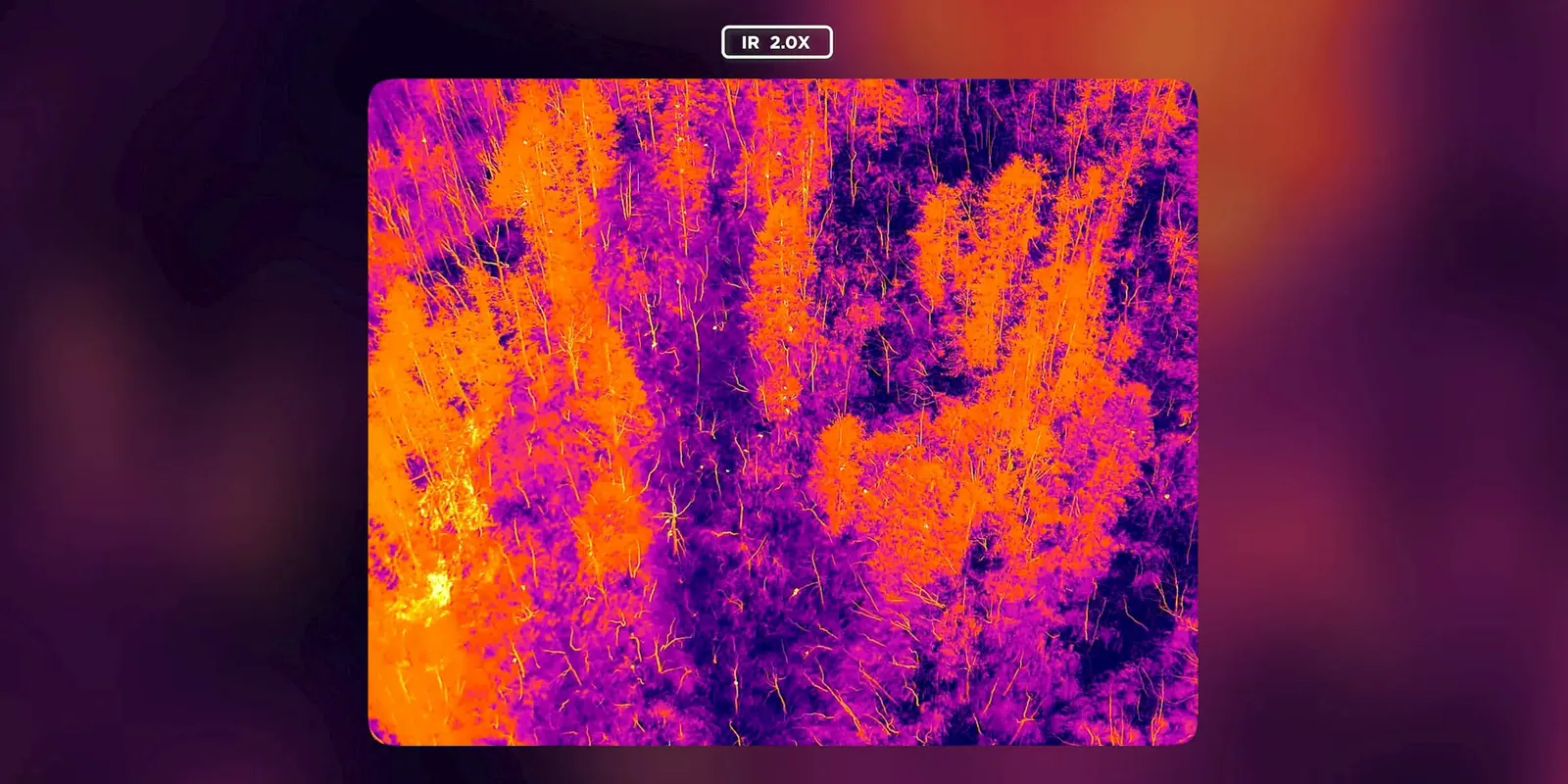
A thermal image with pronounced overheating zones

Classification accuracy

The type of damage and how critical it is are determined automatically.
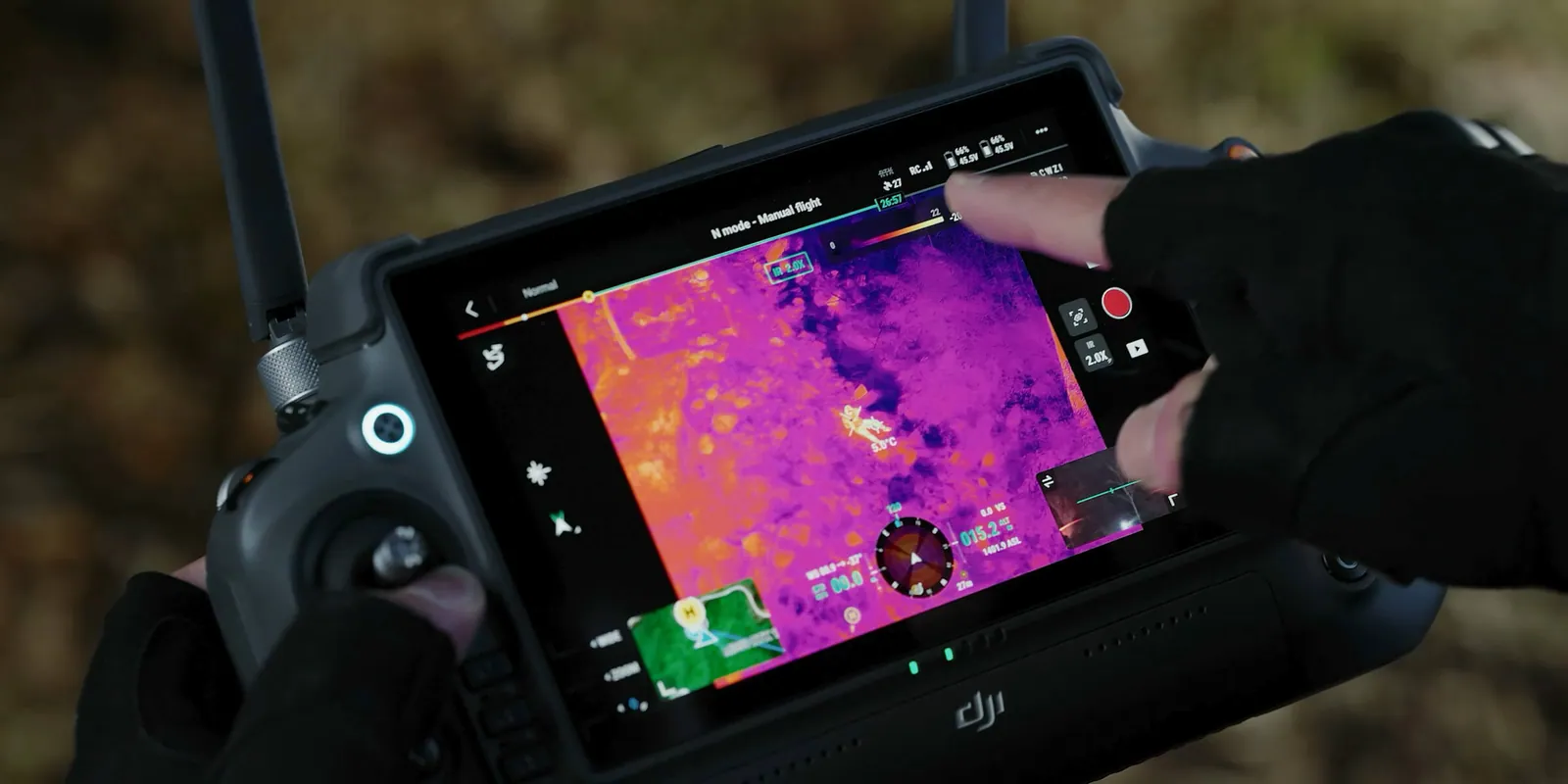
A thermal feed on the controller screen

Multi-scale fusion

Macro objects and microscopic defects analysed at the same time.

07 / 13
08 / Defects

The defects we detect

The system is built around real operating scenarios and automatically flags the most critical defect types. The analysis relies on visible light, infrared, image fusion and AI models.

Hot spotsCell overheating / Thermal imaging
Hidden cracksHidden microcracks / Electroluminescence
Black spotsModule degradation / Visual + AI
DustSurface soiling / Visual detection
Sand burialSand accumulation / RGB analysis
Snow coverSnow cover / Visual + Thermal
VegetationShading by trees / 3D mapping
Panel damageMechanical damage / Visual inspection
Current anomaliesElectrical deviations / Multi-sensor fusion
11+ defect types
95%+ AI accuracy
Under 2 minutes to analyse
08 / 13
09 / Process

How the system works

From the survey flight to the repair

The system builds the inspection route, the drone flies it autonomously, the platform analyses the data, identifies defects, plots them on the map, generates a report, creates tasks and tracks resolution. Repair results flow back into the system and become part of the asset's history.

Cycle time: from the flight to a closed task — 24–72 hours
Integration: all data is synchronised in one platform
History: a full record of changes and repairs on the asset
09 / 13
10 / Control room

The digital control room:
total oversight
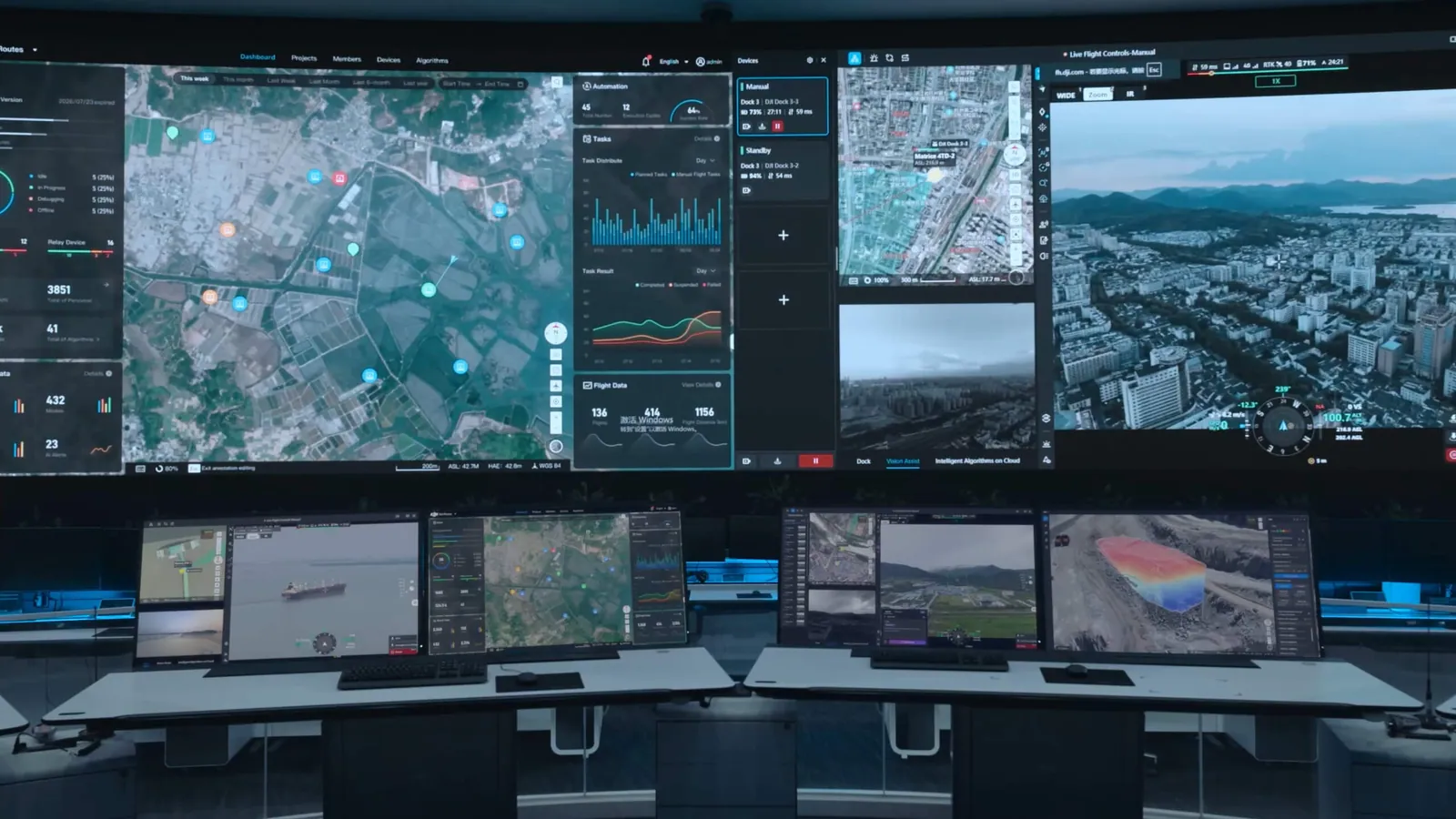
012D/3D visualisation: an interactive model of the plant with every damaged panel geolocated precisely.
02Real-time updates: a dashboard with key metrics (KPIs) and inspection statuses.
03Deep analytics: flight history, period comparison and asset degradation trends.
A control centre: a video wall with maps and metrics
Site map with a live video feed and flight status
10 / 13
11 / O&M workflow

From pixel to repair: the O&M workflow
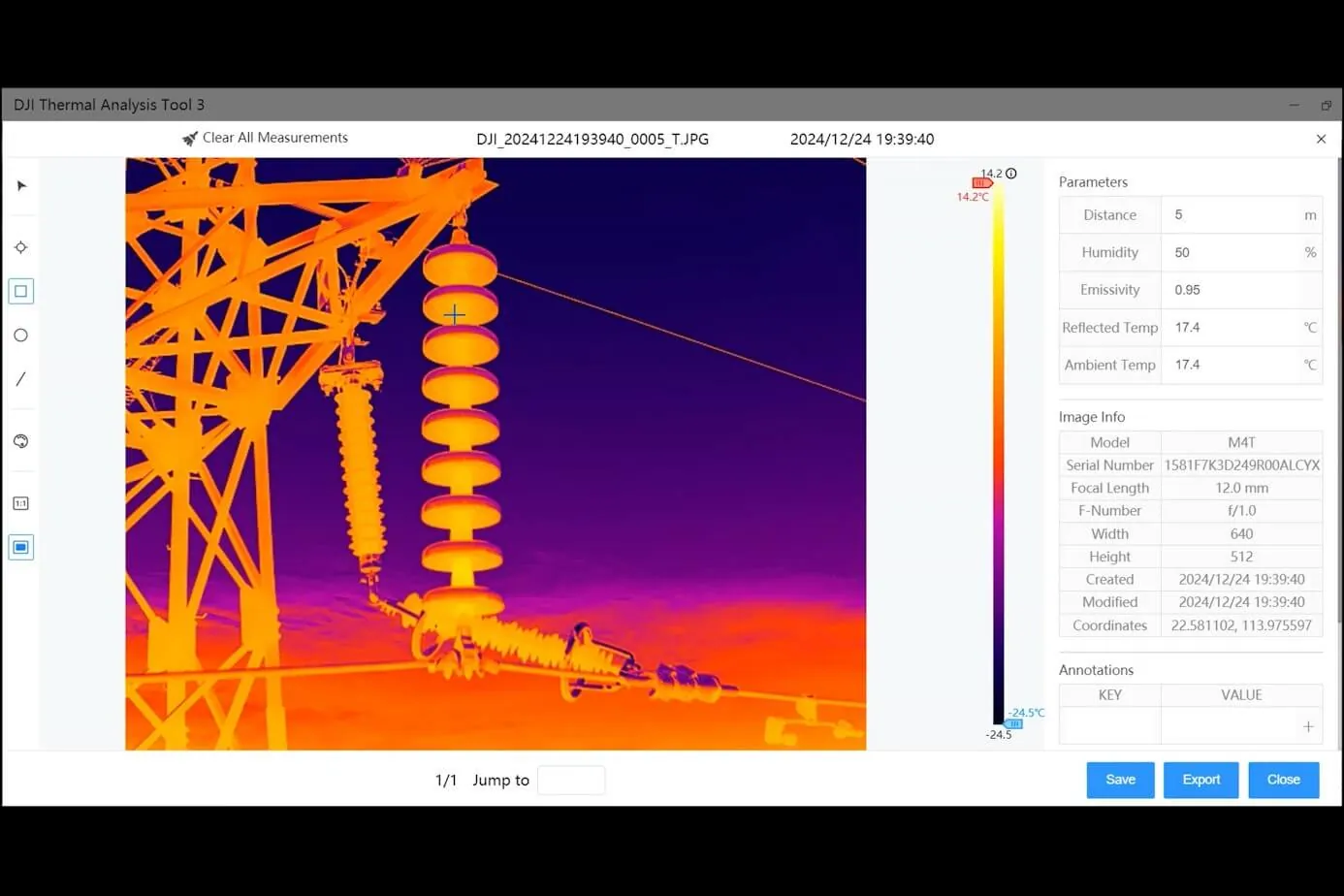
Thermal analysis of an image with an overheating point marked

Step 1: Detection

The AI finds the defect and assigns it a priority.
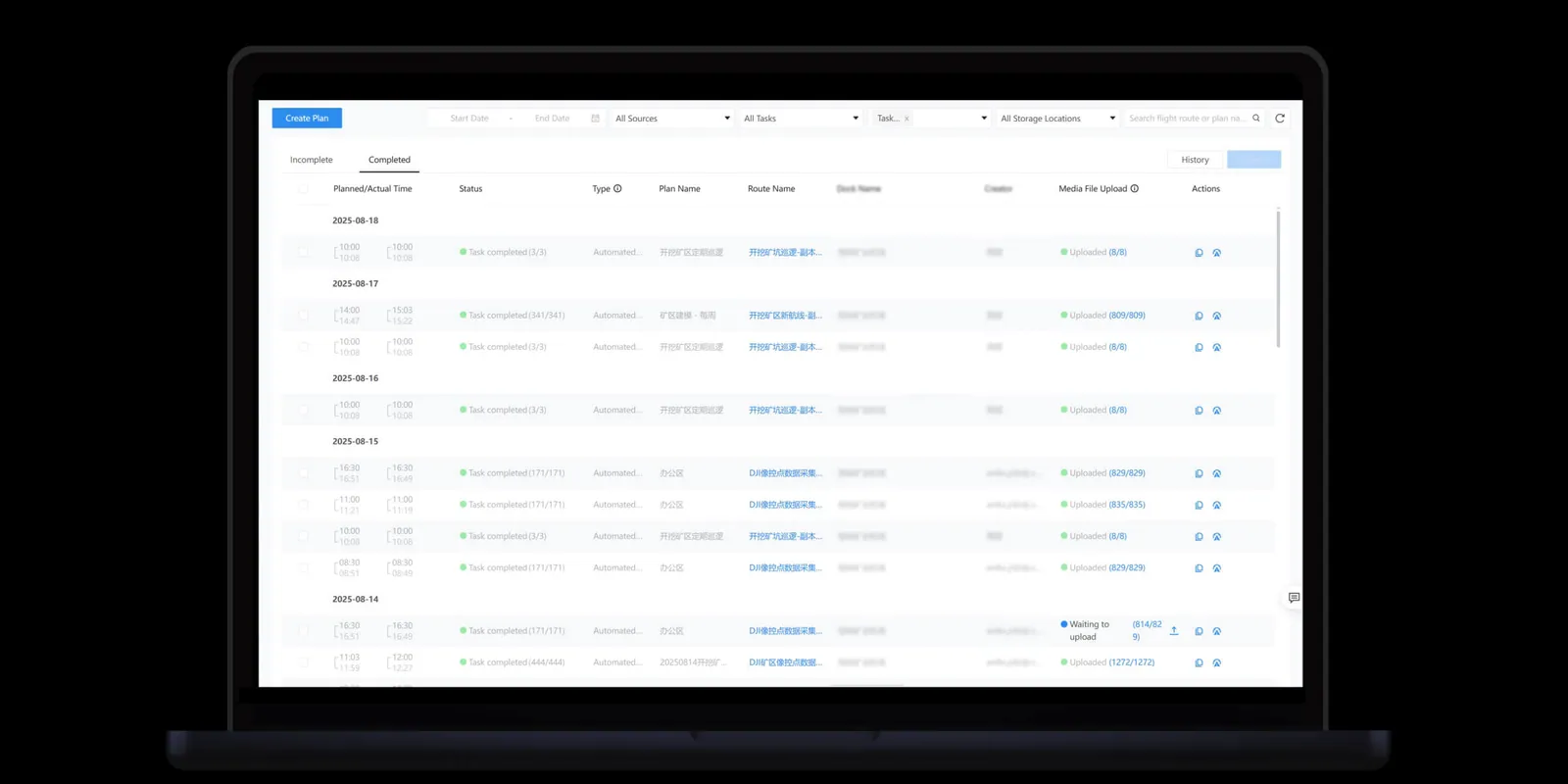
A list of tasks and work orders in the platform interface

Step 2: Task automation

The platform generates a work order with exact GPS coordinates and the type of problem.
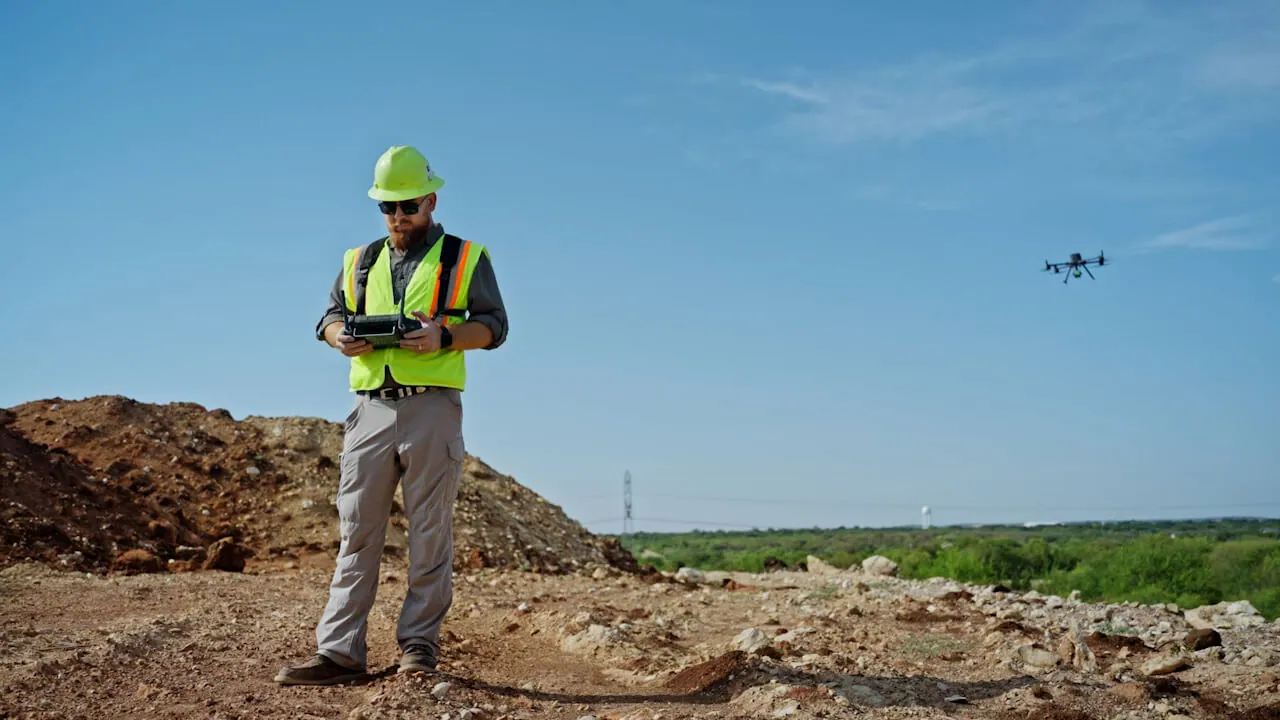
An engineer on site receiving a task and monitoring the flight

Step 3: Crew routing

The engineer receives the task with a route already planned, and closes it with a photo report.

11 / 13
12 / Scalability

Scalability:
running a network of assets
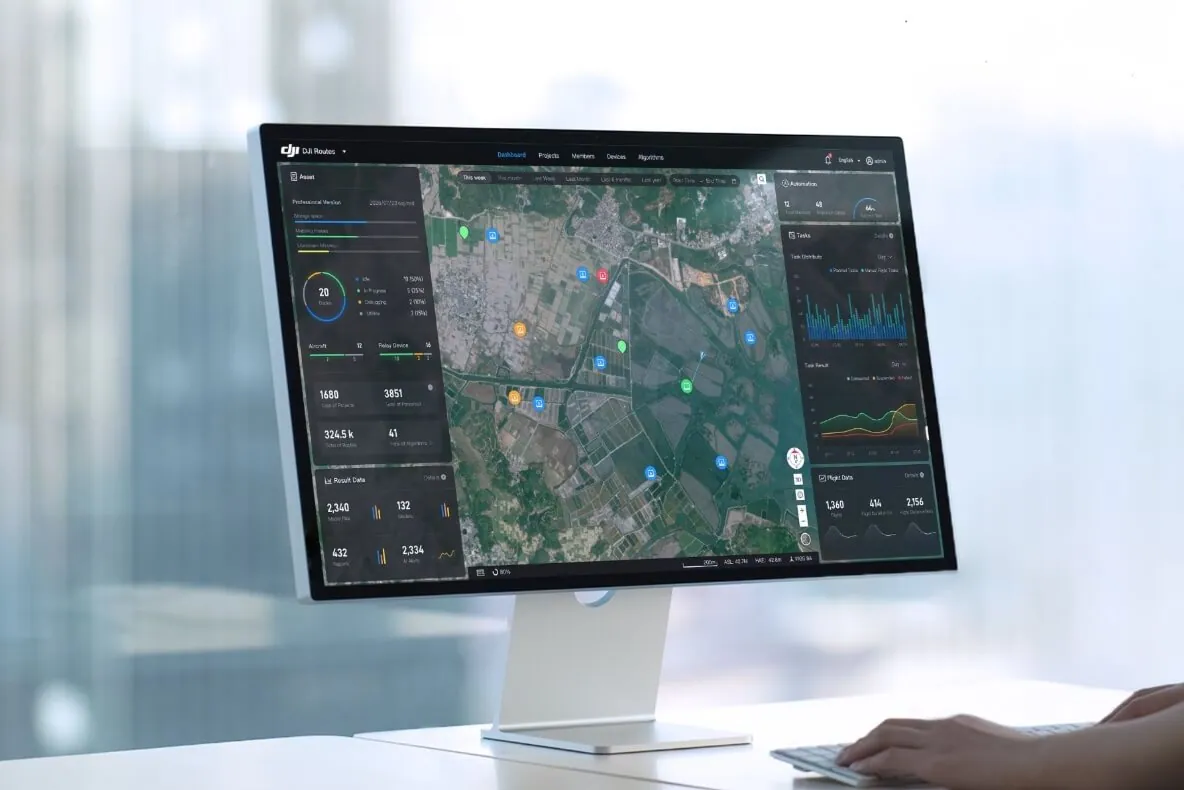
01One platform: dozens of remote plants connected and controlled from a single point.
02Centralised monitoring: one dashboard for the whole asset portfolio.
03Fleet management: many drones operated in sync.
04Standardisation: common standards for data, AI analytics and management reporting.
A portfolio-wide dashboard on screen
A fleet of industrial drones ready to fly
12 / 13
13 / Impact

What the client gets

A practical business result

−60%

Inspection cost. Automation instead of manual labour.

10x

Faster detection. AI instead of a visual walk-round.

−15%

Lost generation. Defects are caught early.

100%

O&M transparency. Full visibility of every process.
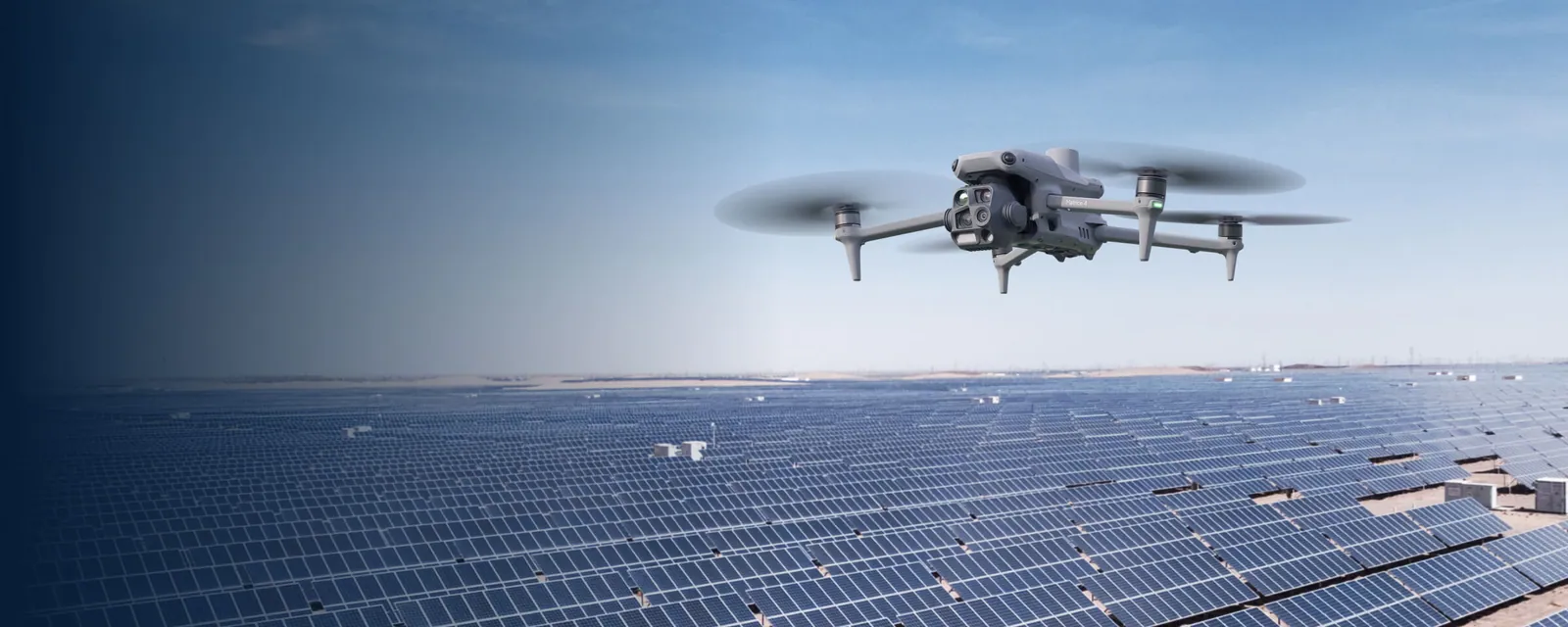
A drone above a solar plant at sunset
The client gets not a set of technologies but a working tool for making the asset perform better
13 / 13